

Outdoor Patio Heater Buying Guide
The right outdoor heating system can transform a patio, outdoor kitchen or hospitality space into a comfortable extension of the indoors—well beyond the warmest months of the year. But choosing a patio heater involves more than comparing wattage or BTUs. Fuel type, mounting height, heater placement, wind exposure, available power or gas, controls and the architecture of the space can all affect comfort and performance.
Planning a more complex project?
COMPLIMENTARY HEATING DESIGN SERVICE
The Tournament House offers complimentary outdoor heating design assistance to help determine the appropriate heater type, output, quantity and placement for your space.
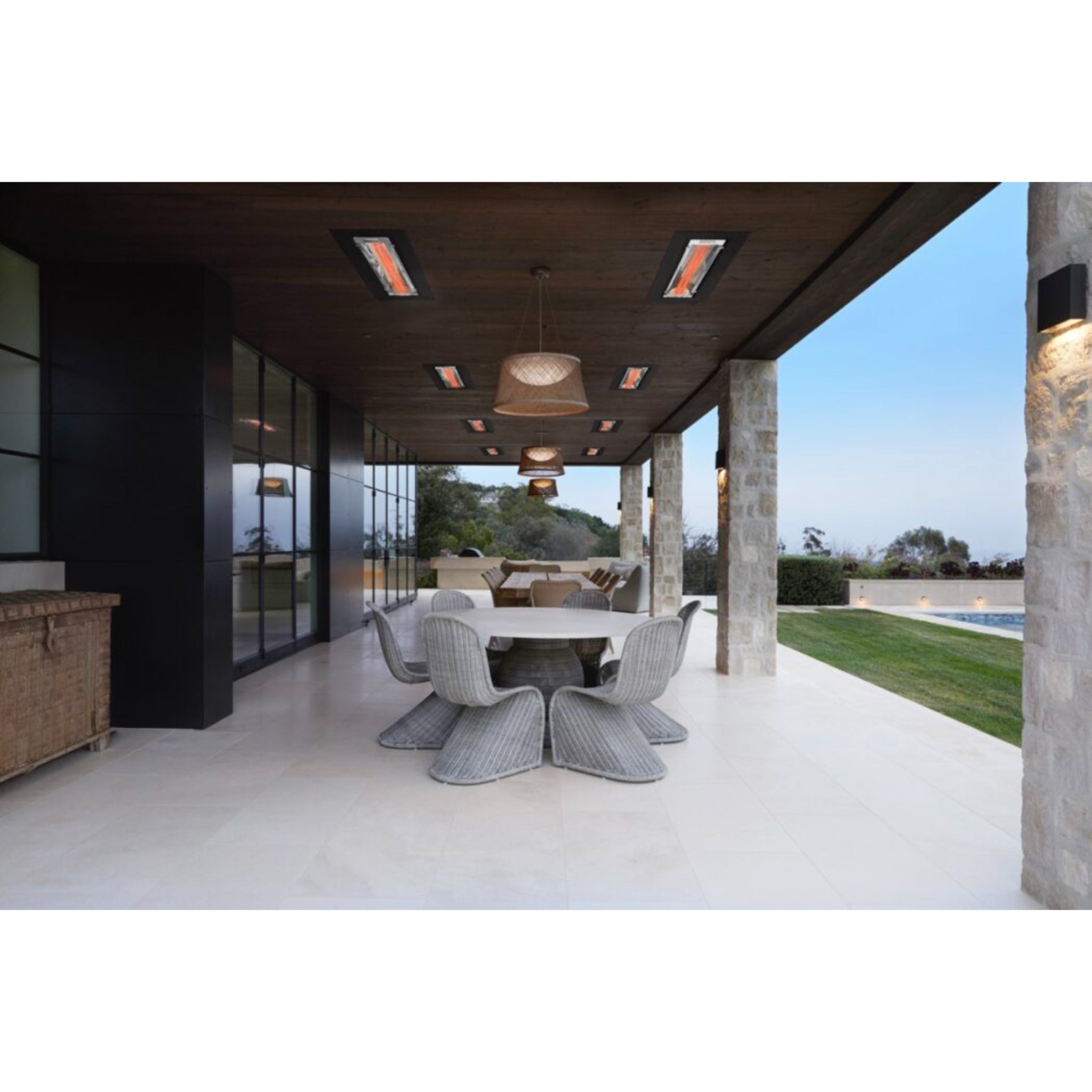
The Best Heating System Starts with the Space
Before choosing a heater, consider where and how the space will be used. A protected residential patio has very different heating requirements from an exposed restaurant terrace, high-ceiling pavilion or freestanding pool deck.
Outdoor heating performance can be affected by several factors, including:
SPACE SIZE AND LAYOUT— Heating a defined dining area is different from attempting to heat an entire open patio.
COVERED VS. UNCOVERED SPACE — A roof, pergola or other structure can influence heater placement and help protect the heated zone.
MOUNTING HEIGHT — Heater output and mounting height need to work together. Higher installations typically require appropriately selected equipment and placement.
WIND EXPOSURE — Because outdoor spaces aren't enclosed, wind and exposure can significantly affect perceived comfort.
CLIMATE AND SEASON — A system intended for cool desert evenings may have different requirements from one designed to extend patio season in a colder climate.
HOW PEOPLE USE THE SPACE — Dining tables, lounge seating, outdoor kitchens and restaurant seating may each benefit from different heating zones.
AVAILABLE UTILITIES — Electrical capacity, natural gas availability and the ability to use propane can narrow the appropriate heater options.
DESIGN TIP
DON'T SIZE YOUR OUTDOOR HEATING SYSTEM BY SQUARE FOOTAGE ALONE.
Two patios with the same square footage can require very different heating solutions. Mounting height, wind exposure, coverage area, layout and available power or gas all influence heater selection and placement.
Choose your energy source
ELECTRIC VS. GAS PATIO HEATERS
There isn't one type of outdoor heater that's right for every space. The best choice depends on how the space is used, available utilities, mounting options, desired appearance and the level of heating performance required.
Electric heaters are often preferred for integrated architectural installations, while gas heaters can provide powerful heating for permanent or flexible outdoor applications. Understanding the differences will help narrow the right solution for your project.

ELECTRIC PATIO HEATERS
CLEAN, ARCHITECTURAL & HIGHLY INTEGRATED
Electric infrared heaters are an excellent choice when aesthetics, precise placement and integration into the architecture are priorities. Depending on the model, they can be mounted to walls or ceilings, suspended, or recessed into compatible ceiling applications for an especially streamlined appearance.
CONSIDER ELECTRIC WHEN YOU WANT:
- Clean architectural integration
- Wall, ceiling or recessed installation options
- Multiple heating zones
- Variable controls on compatible systems
- No on-site gas combustion
- A permanent solution for covered or defined outdoor living areas
PLANNING CONSIDERATION
Higher-output electric heaters may require dedicated circuits, specific voltage and adequate electrical capacity. Electrical requirements should be considered early—particularly when planning multiple heaters or heating zones.
EXPLORE ELECTRIC PATIO HEATERS →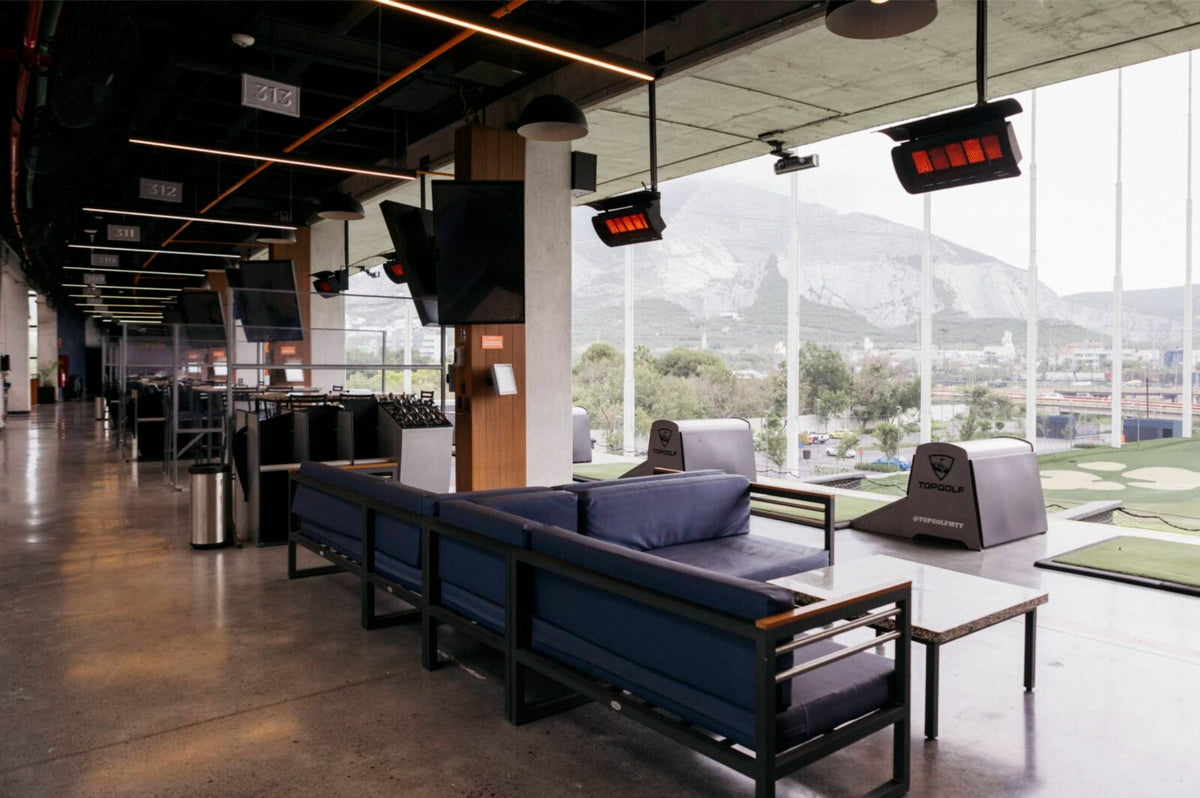
GAS PATIO HEATERS
POWERFUL HEATING WITH MULTIPLE INSTALLATION OPTIONS
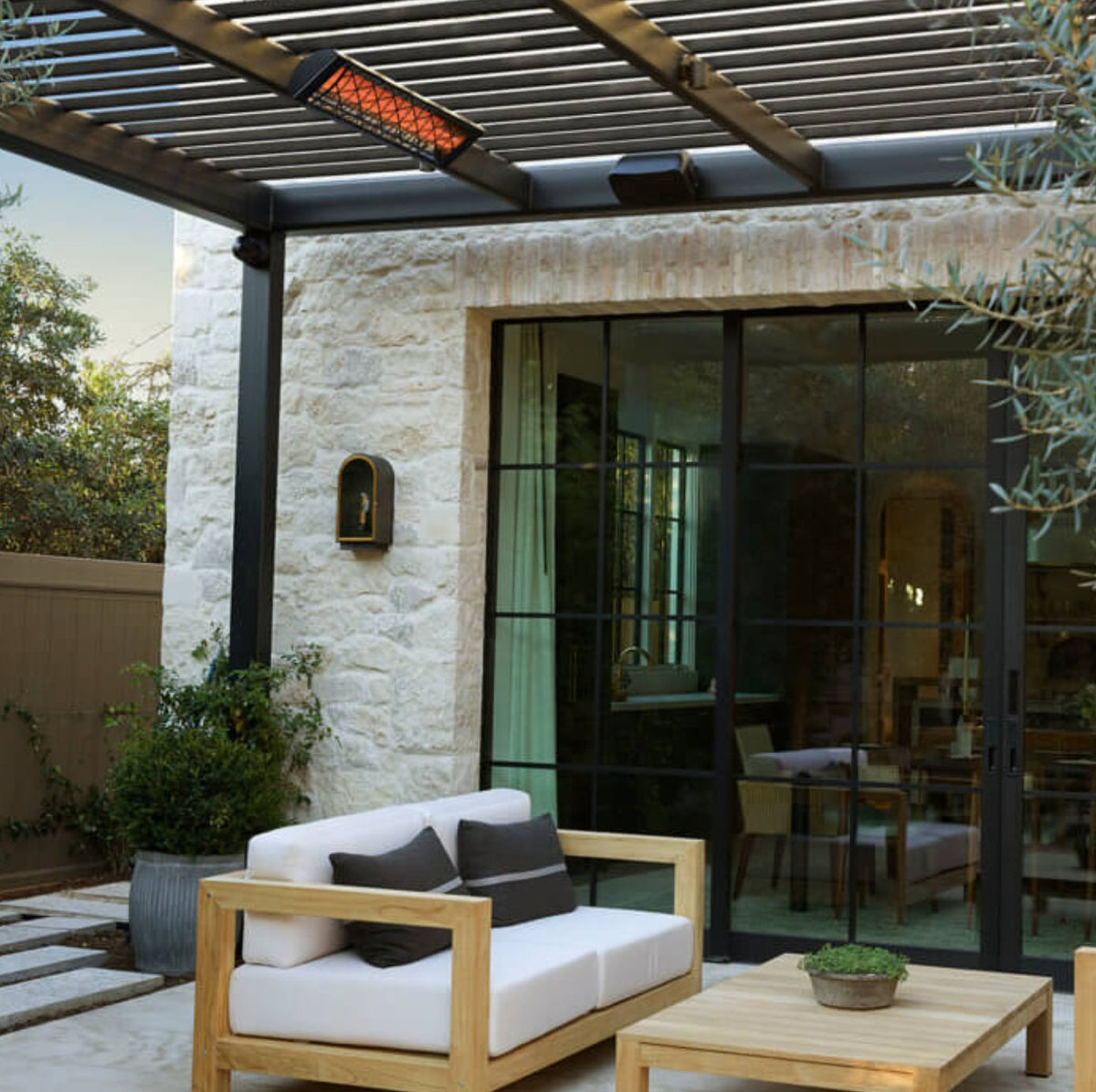
Gas patio heaters are available in both natural gas and propane configurations and can be well suited to larger outdoor areas, hospitality environments and applications where higher-output heating is desired. Depending on the model, gas heaters may be permanently mounted or freestanding, giving you options for both integrated and flexible outdoor heating.
CONSIDER GAS WHEN YOU WANT:
- Higher-output heating options
- Permanent or freestanding configurations
- Heating for larger or more open outdoor areas
- Residential, restaurant or hospitality applications
- Natural gas or propane fuel options
- Flexibility where electrical capacity may be limited
PLANNING CONSIDERATION
Gas heaters require appropriate fuel supply, ventilation and manufacturer-specified clearances. Permanent natural gas systems generally require professional installation, while propane models require appropriate tank placement, storage and refilling.
EXPLORE GAS PATIO HEATERS →WHY INFRARED HEATING WORKS WELL OUTDOORS
Traditional indoor heating systems primarily warm the air inside an enclosed space. Outdoors, that heated air can quickly dissipate.
Infrared patio heaters instead deliver radiant heat toward people and surrounding surfaces within the heater's coverage area. This makes radiant heating particularly well suited to outdoor environments, where containing and continuously heating a volume of air isn't practical.
Not every infrared heater performs the same way. Heater output, mounting height, orientation, coverage pattern and exposure all affect performance—which is why proper heater selection and placement matter.
For the layout, I'd do image/graphic on one side and copy on the other, consistent with the other guides. A simple visual showing radiant heat directed toward a seating area would be better here than another generic patio photo.
WATTS, BTUs & HEATING COVERAGE
How Much Heat Do You Need?
One of the most common questions when planning an outdoor heating system is: “How many patio heaters do I need?”
Square footage is a useful starting point, but it doesn't provide the complete answer. Outdoor heater sizing should also account for the size and shape of the area being heated, mounting height, heater output, coverage pattern, wind exposure, climate and whether the space is protected or open.
ELECTRIC HEATERS: WATTS
Electric patio heaters are commonly rated by wattage. Higher wattage generally means greater heating capacity, but more wattage isn't automatically better. The heater still needs to be appropriately selected and positioned for the area, mounting height and site conditions.
GAS HEATERS: BTUs
Gas patio heaters are generally rated in BTUs, or British Thermal Units. Higher BTU output indicates greater heating capacity, but actual comfort and coverage also depend on heater design, placement, mounting height and environmental conditions.
DESIGN TIP
INFRARED HEATERS WARM PEOPLE AND SURFACES—NOT JUST THE AIR.
Because radiant heat is directed toward people and objects within the heater's coverage area, infrared heating is particularly well suited to outdoor spaces where heated air can quickly dissipate.