Bonus Depreciation on Vacation Rental Amenities: What Every STR Investor Needs to Know in 2026

If you're investing in short-term rentals, you're probably already familiar with the STR tax loophole — the strategy that allows real estate investors to use rental losses to offset W-2 or active income. But many investors overlook one of the most powerful components of this strategy: bonus depreciation on amenities and personal property.
This article breaks down how it works, why it matters, and how strategic amenity purchases can amplify your tax benefits.
Disclaimer: This article is for educational purposes only and does not constitute tax advice. Consult a qualified CPA or tax professional for guidance specific to your situation.
The Basics: How STR Depreciation Works
When you purchase property for use in a short-term rental, the IRS allows you to depreciate (deduct) the cost of that property over its useful life. Different types of property have different depreciation schedules:
- The building itself: Generally 27.5 years for qualifying residential rental property or 39 years for nonresidential real property. Some transient-use short-term rentals may fall under the 39-year classification, so confirm the appropriate treatment with your tax professional.
- Land improvements: 15 years (landscaping, driveways, fencing)
- Personal property: 5-7 years (furniture, appliances, equipment, amenities)

Here's where it gets powerful: personal property. Many movable amenities, furnishings, and equipment may qualify for shorter recovery periods, often 5 or 7 years. Permanently installed features may instead be classified as land improvements or structural components.
What Counts as Personal Property?
For STR investors, many amenities may be depreciable, although their recovery periods and eligibility for bonus depreciation depend on how each asset is installed, used, and classified:
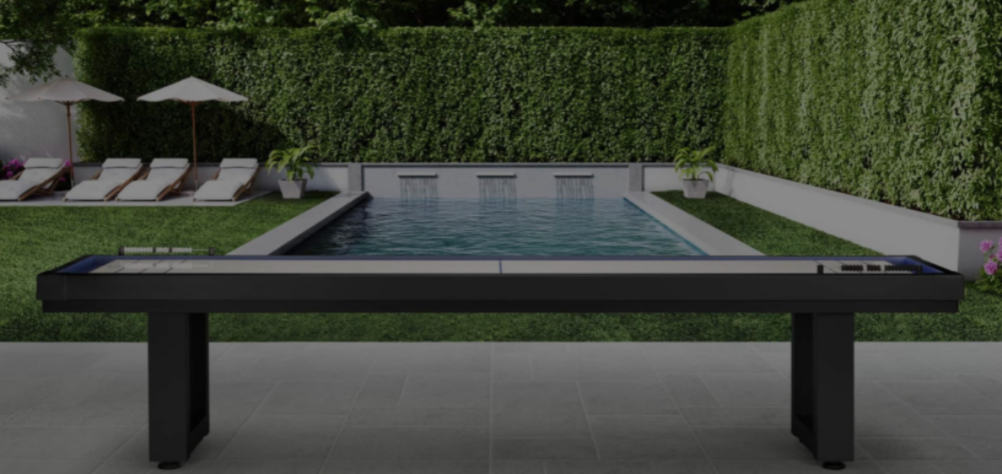
- Pool tables, shuffleboard tables, foosball tables
- Outdoor kitchen islands, built-in grills, smokers
- Fire pits and patio heaters
- Putting greens and golf hitting mats
- Basketball hoops, pickleball nets
- Table tennis tables, air hockey tables
- Outdoor TVs and entertainment systems
- Pool sports equipment (basketball hoops, volleyball nets)
- Lawn games (cornhole, giant chess, petanque)
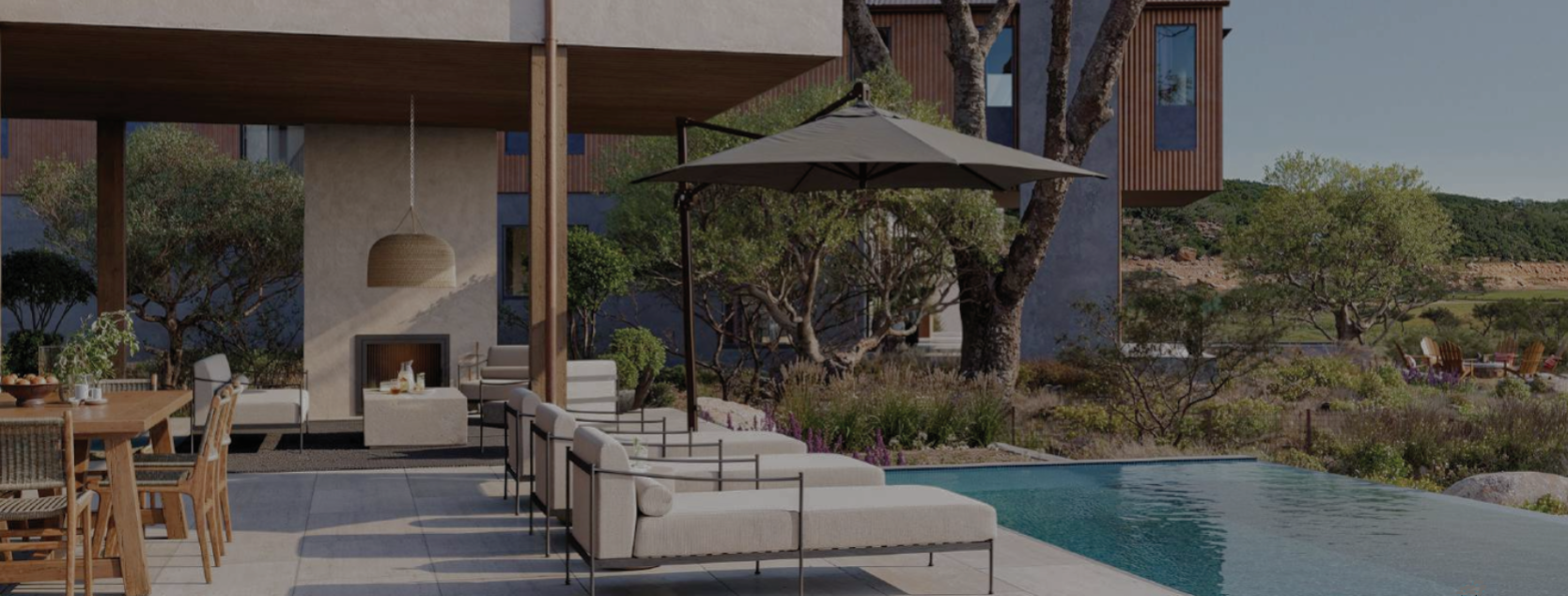
- Patio furniture, in-pool furniture
The tax classification of amenities depends on how the asset is installed and used. Some items may be personal property, while others may be land improvements or building components.
Bonus Depreciation: The Accelerator

Bonus depreciation allows you to deduct a large percentage of the cost of qualifying assets in the year they're placed in service, rather than spreading the deduction over 5-7 years.
Key considerations:
- For qualifying property acquired after January 19, 2025, recent federal legislation restored 100% bonus depreciation, subject to the applicable acquisition and placed-in-service rules
- This applies to both new and used property (as long as it's new to you)
- The property must be placed in service in your rental during the tax year you claim the deduction
Example scenario:
- You purchase $40,000 in amenities for your STR (pool table, outdoor kitchen, fire pit, putting green, lawn games, pickleball net)
- With 100% bonus depreciation, you may be able to deduct the full $40,000 in Year 1
- At a 37% marginal tax rate, that's potentially $14,800 in tax savings — from assets that ALSO increase your rental income

The Double Win: Revenue + Tax Benefits
This is what makes strategic amenity investment so compelling:
Revenue side:
- Higher ADR (average daily rate) — amenity-rich properties command premium pricing
- Higher occupancy — unique amenities drive bookings in competitive markets
- Better reviews — leading to more bookings (the flywheel effect)
Tax side:
- Bonus depreciation on personal property
- Potential to generate paper losses that offset active income (with material participation)
- Cost segregation studies can identify additional depreciable components
The net effect: you're investing in assets that generate more revenue AND reduce your tax burden simultaneously.
Material Participation: The Fine Print
To use STR losses (including depreciation) to offset your active/W-2 income, you generally need to meet material participation requirements. The most common tests:
- You participate in the rental activity for more than 500 hours during the year
- Your participation constitutes substantially all of the participation
- You participate for more than 100 hours and no one else participates more
An average guest stay of 7 days or less can keep an STR from being treated as a rental activity under the passive-loss rules, but investors still need to meet material participation requirements for losses to be treated as nonpassive.
These rules are nuanced. Work with a CPA or tax strategist who specializes in real estate and STR taxation or send us a message and we will connect you to a tax strategist.
Next Steps
- Talk to your CPA about how bonus depreciation applies to your STR investments
- Audit your current amenities — are there gaps that would increase ADR AND generate tax benefits?
- Plan purchases strategically — timing matters for maximizing first-year deductions
- Work with a specialist — Our Concierge team helps STR investors select the right amenity package for their property, budget, and tax strategy
Explore STR Amenity Packages → | Book a Concierge Consultation →
The Tournament House was founded by STR investors, for STR investors. We understand the business of vacation rentals because we've lived it.